
Smartphones are designed to keep your attention. Notifications, infinite scroll feeds, and personalized recommendations all compete for your time. While technology itself isn’t the problem, uncontrolled usage can quietly eat away at focus, sleep, and productivity.
The challenge in 2026 isn’t whether we use smartphones—it’s how intentionally we use them. That’s where screen time management apps come in. These tools don’t just track usage; they actively help you change habits, reduce compulsive checking, and build healthier digital boundaries.
Below are five of the most effective apps that help reduce screen time, each taking a slightly different approach—from gamification to hard app blocking.
1. Forest — Turning Focus Into a Game
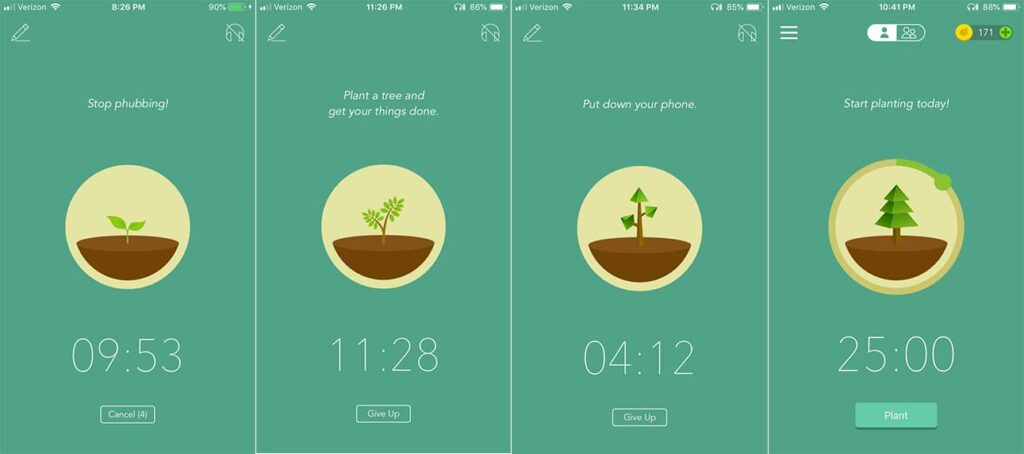
Forest is one of the most popular focus apps because it uses a simple psychological trick: you grow a virtual tree when you stay off your phone.
If you leave the app to check social media or messages, your tree dies. Over time, your forest becomes a visual representation of your focus sessions.
What makes Forest effective is not just the punishment system, but the emotional reward. Users tend to feel reluctant to “kill” their growing forest, which creates a gentle but consistent pressure to stay focused.
Why it reduces screen time:
- Gamifies focus sessions
- Builds visual progress over time
- Encourages phone-free study/work periods
- Creates a sense of accountability
Forest works especially well for students or anyone who struggles with distraction during short tasks like studying, reading, or writing.
2. Digital Wellbeing — Built-in Awareness for Android Users
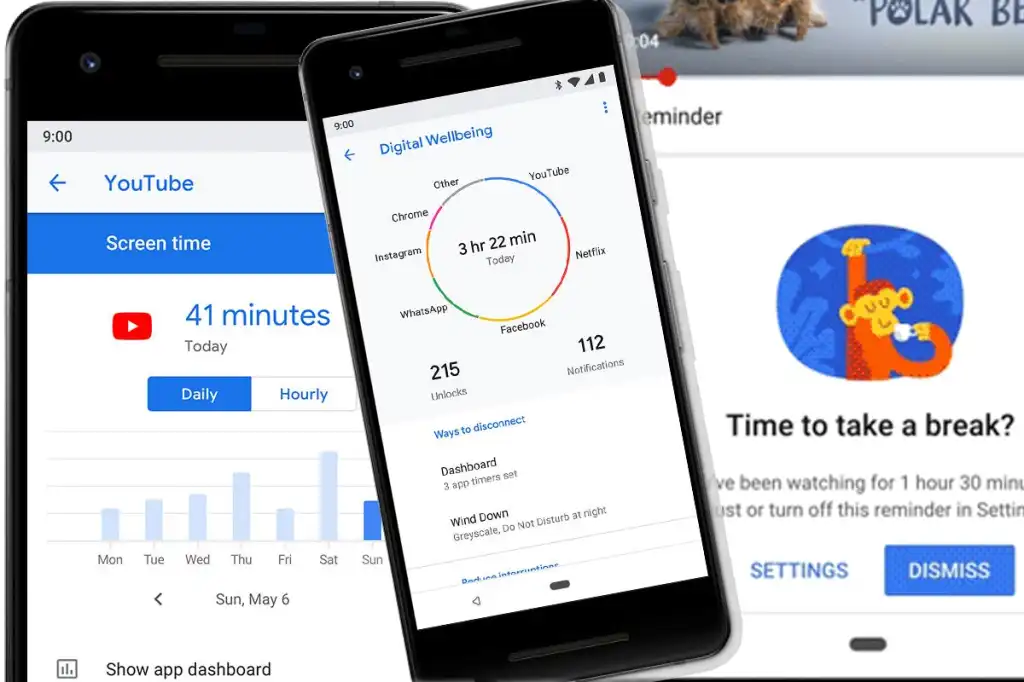
Digital Wellbeing is Google’s native screen time management system for Android devices. Unlike third-party apps, it comes pre-installed on most modern Android phones.
It provides detailed insights into how much time you spend on each app, how many notifications you receive, and how often you unlock your phone.
But its real power lies in control features like app timers and “Focus Mode,” which temporarily pauses distracting apps.
Why it reduces screen time:
- Tracks usage automatically in the background
- Lets you set app-specific time limits
- Includes Focus Mode to block distractions
- No installation required on most devices
For Android users who want a simple, system-level solution, Digital Wellbeing is often the first and most practical step.
3. Screen Time — Apple’s Native Control System
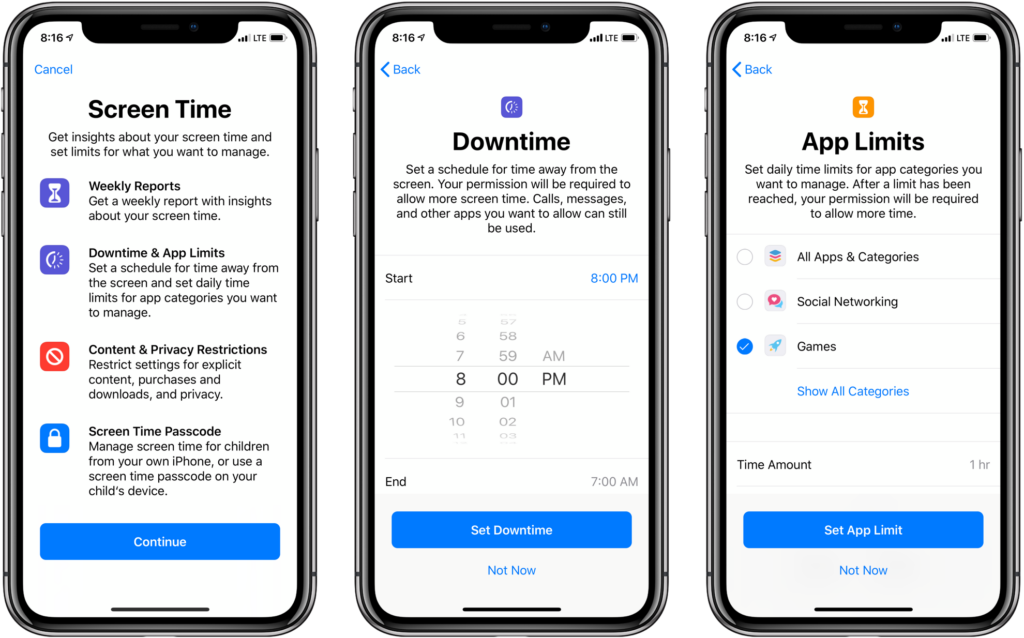
Screen Time is Apple’s built-in screen management feature available on iPhone, iPad, and Mac devices.
It provides detailed reports of daily and weekly usage, breaking down time spent on apps, notifications, and device pickups. It also allows users to set App Limits, Downtime schedules, and communication restrictions.
One of its strongest features is “Downtime,” which lets users schedule periods where only essential apps and contacts are available.
Why it reduces screen time:
- Deep integration with Apple ecosystem
- App limits and downtime scheduling
- Strong parental control options
- Detailed usage analytics
Screen Time is particularly effective for users who want structure without installing additional apps.
4. Freedom — Blocking Distractions Across Devices
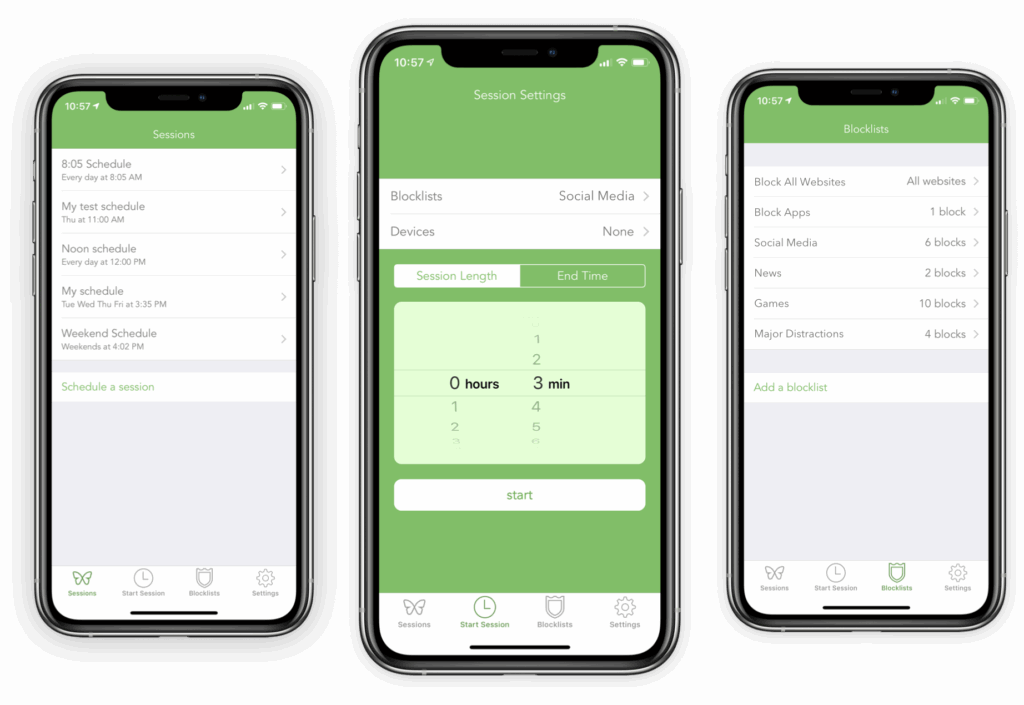
Freedom takes a more strict approach compared to tracking apps. Instead of simply showing your screen time, it actively blocks distractions across all your devices.
You can block specific apps, websites, or even the entire internet for a set period. Once a session starts, it’s difficult to bypass, which makes it useful for people who struggle with self-control alone.
It also syncs across phones, tablets, and computers, ensuring consistency across environments.
Why it reduces screen time:
- Blocks apps and websites completely
- Syncs across multiple devices
- Scheduled focus sessions
- Hard to override once active
Freedom is best suited for professionals, writers, and remote workers who need deep, uninterrupted focus periods.
5. Opal — AI-Powered Focus and Habit Control

Opal uses a more modern, behavioral approach to reducing screen addiction. Instead of just blocking apps, it analyzes usage patterns and helps users gradually reduce dependency on distracting apps like social media.
It includes focus sessions, app blocking, and AI-driven insights that suggest when and how to reduce usage more effectively.
Unlike rigid blockers, Opal focuses on behavior change over time, making it feel less restrictive while still being effective.
Why it reduces screen time:
- Smart scheduling of focus sessions
- Gradual behavior-based reduction
- App usage insights and trends
- Balanced approach between control and flexibility
Opal is a good choice for users who find strict blockers too harsh but still want structured improvement.
Why Screen Time Management Is So Difficult
Even with the right tools, reducing screen time is not just a technical problem—it’s a behavioral one. Apps are designed with psychological hooks like:
- Infinite scrolling feeds
- Push notifications that trigger curiosity
- Variable reward systems (likes, messages, updates)
- Personalized content algorithms
This means that willpower alone is often not enough. The most effective strategies combine awareness (tracking usage), friction (making apps harder to access), and replacement (substituting habits with healthier ones).
Choosing the Right App for You
Each of the apps above solves the screen time problem differently:
- If you want motivation through gamification → Forest
- If you prefer built-in system tools → Digital Wellbeing or Screen Time
- If you need strict blocking → Freedom
- If you want gradual habit change → Opal
In many cases, users combine two tools—for example, using Screen Time for monitoring and Freedom for deep work sessions.
Final Thoughts
Reducing screen time isn’t about abandoning technology. It’s about regaining control over how it fits into your life.
The most effective apps don’t just restrict usage—they change your relationship with your device. Whether through gamification, strict blocking, or behavioral insights, tools like Forest, Digital Wellbeing, Screen Time, Freedom, and Opal offer practical ways to reclaim attention in a distraction-heavy world.
The key is consistency. Even small reductions in daily screen time can compound into better focus, improved sleep, and more meaningful offline time over weeks and months.