
For years, Notion has been one of the most popular productivity tools in the world. It promised something simple but powerful: replace your notes, task manager, databases, wikis, and planning tools with a single flexible workspace.
But in 2026, the productivity landscape looks very different. AI tools are deeply integrated into workflows, competitors have matured, and users are more selective about subscriptions. So the real question is no longer whether Notion is powerful—it clearly is. The question is whether it still deserves its reputation as the best all-in-one productivity app.
The answer is more nuanced than ever.
What Notion Still Does Exceptionally Well
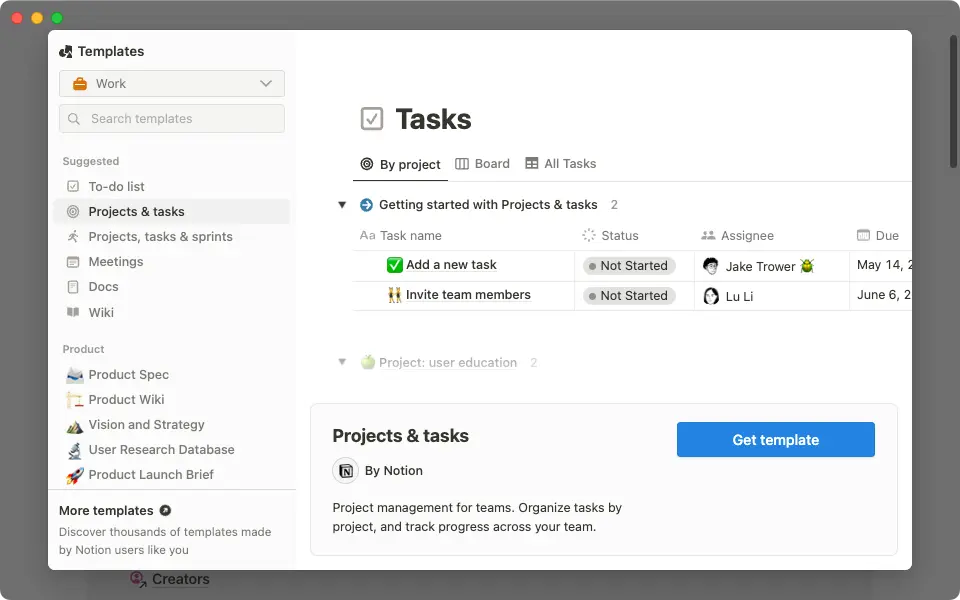
Notion’s biggest strength has not changed: flexibility.
It is still one of the few tools that allows users to build their own system instead of forcing them into a rigid structure. You can create:
- Personal knowledge bases
- Task management systems
- Project dashboards
- Company wikis
- Content calendars
- CRM systems
- Study planners
All within a single workspace.
This “building block” approach means Notion can adapt to almost any workflow. Unlike traditional productivity apps that specialize in one function, Notion acts more like a toolkit.
For individuals and teams who enjoy customizing their systems, this flexibility remains unmatched.
The Rise of AI Inside Notion
A major evolution in recent years is the integration of AI through Notion AI.
In 2026, AI is no longer just a bonus feature—it is deeply embedded in workflows. Notion AI can:
- Summarize long notes or documents
- Generate task lists from meeting notes
- Rewrite or improve writing
- Brainstorm ideas for projects
- Answer questions based on workspace content
This significantly reduces friction in knowledge management. Instead of manually organizing everything, users can rely on AI to structure and summarize information.
However, this also introduces a key concern: AI features often sit behind additional pricing tiers, making the platform more expensive than it initially appears.
Where Notion Still Excels
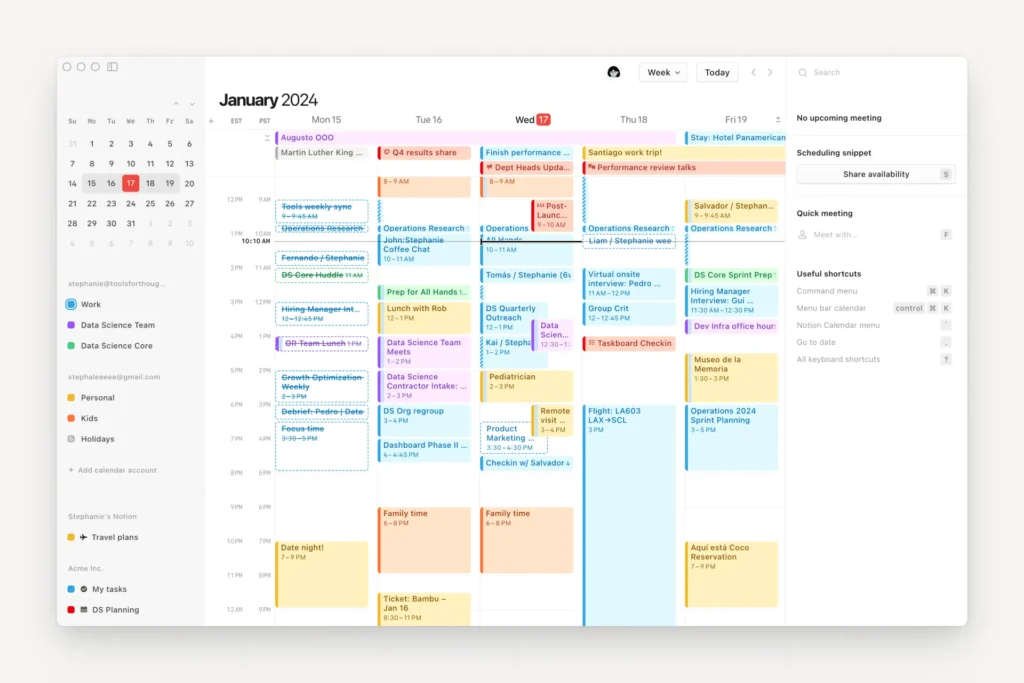
Despite growing competition, Notion continues to lead in several areas.
1. All-in-One Workspace
Few apps genuinely replace multiple tools. Notion still comes closest to doing so. Users can consolidate note-taking, task tracking, documentation, and planning into one system.
This reduces the need for switching between apps, which is a major productivity gain.
2. Collaboration
Notion remains strong for team collaboration. Shared workspaces, real-time editing, and permission controls make it useful for startups, agencies, and remote teams.
It is often used as a lightweight alternative to complex project management systems.
3. Templates and Ecosystem
The Notion template ecosystem is massive. Users can instantly deploy pre-built systems for almost any purpose—content planning, habit tracking, business operations, or personal finance tracking.
This lowers the learning curve significantly for new users.
Where Notion Starts to Show Weaknesses
Despite its strengths, Notion is not perfect—and in 2026, its weaknesses are more noticeable because alternatives have improved significantly.
1. Performance Issues with Large Workspaces
As workspaces grow, Notion can feel slower and less responsive. Large databases, heavy pages, and complex linked structures may introduce lag or loading delays.
For power users, this becomes a real limitation.
2. Offline Limitations
Notion still struggles with full offline functionality. While improvements have been made, it is not as reliable as local-first tools.
This is a major drawback for users who need access to notes or tasks without internet connectivity.
3. Over-Complexity for Simple Use Cases
Not everyone needs a customizable workspace. Many users just want fast note-taking or simple task management.
For them, Notion can feel overly complicated compared to more focused tools.
4. Pricing Creep
While Notion has a free plan, many advanced features—especially AI and team functionality—require paid tiers.
Over time, users may find themselves paying more as they expand usage, especially in team environments.
How Notion Compares to Modern Alternatives
In 2026, Notion is no longer without strong competition.
Obsidian — Local-First Power and Ownership
Obsidian has become one of Notion’s strongest alternatives. Unlike Notion, it stores notes locally, giving users full ownership of their data.
It excels in:
- Fast performance
- Offline access
- Advanced knowledge linking (graph-based thinking)
- Custom plugin ecosystem
However, it lacks Notion’s built-in collaboration features and requires more setup.
Evernote — Simplicity and Legacy Note-Taking
Evernote remains a recognizable name, especially for users who want straightforward note capture.
It is easier to use than Notion but significantly less flexible. Over time, it has struggled to match the innovation pace of newer tools.
Microsoft OneNote — Freeform Notes for Microsoft Users
Microsoft OneNote is still widely used, especially in education and enterprise environments.
Its freeform canvas style is excellent for handwritten notes and brainstorming, but it lacks structured database systems like Notion.
ClickUp — Task Management First, Everything Else Second
ClickUp competes more directly in the productivity workspace category.
It offers stronger task management features than Notion, including dependencies, Gantt charts, and advanced project tracking. However, it is less intuitive for note-taking and general knowledge management.
Who Notion Is Best For in 2026

Notion is still an excellent choice, but not for everyone.
It works best for:
- Students building study systems and notes
- Startups managing lightweight operations
- Content creators organizing workflows
- Individuals building personal knowledge systems
- Teams that want flexible, customizable collaboration
If you enjoy designing your own systems and integrating multiple workflows into one place, Notion remains one of the best tools available.
Who Should Look Elsewhere
Notion may not be ideal for:
- Users who want fast, simple note-taking
- People who need strong offline access
- Users who prefer rigid, pre-built systems
- Power users who require high-performance large databases
In these cases, tools like Obsidian or OneNote may be better fits depending on priorities.
Final Verdict: Is Notion Still the Best in 2026?
The short answer is: Notion is still one of the best productivity apps—but no longer the undisputed best.
Its biggest advantage remains its flexibility. Few tools can match its ability to replace multiple apps at once and adapt to nearly any workflow. The addition of AI has made it even more powerful for summarization, planning, and content creation.
However, its weaknesses—performance limits, offline constraints, and increasing complexity—are harder to ignore in 2026, especially as competitors have improved.
The reality is that productivity software is becoming more specialized. Instead of one perfect app, many users now build a stack of focused tools.
Notion still fits that world—but it is no longer the only answer.
For users who want a single customizable workspace, it remains an excellent choice. For those who prioritize speed, simplicity, or local control, alternatives may now offer a better experience.
In 2026, Notion is not the final destination of productivity software. It is still one of the most powerful building blocks—but no longer the only one worth considering.